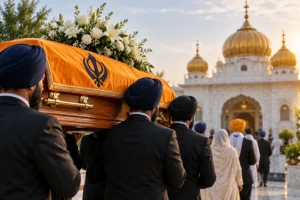
Cremation has become the most common choice for families in the UK. Many prefer it for its simplicity, practicality and flexibility when planning a funeral. If you are exploring this option for yourself or a loved one, understanding the process can help you make informed decisions with confidence.
How Common Is Cremation in the UK
Cremation accounts for a large majority of funerals across the country. This rise is linked to several factors, including changes in personal preference, limited burial space in urban areas and the affordability of cremation services compared to traditional burials.
The Legal Requirements for Cremation
Before a cremation can take place, certain documents and approvals must be completed. These requirements ensure the process is handled safely and respectfully.
You will need the following:
- A medical certificate that confirms the cause of death.
- A second independent medical review in most cases.
- A completed cremation application form, usually filled in by the nearest relative or executor.
- Permission from a coroner when the cause of death is unclear or requires investigation.
Crematoria cannot begin the cremation until all documents are checked and authorised.
What Happens at the Crematorium
Families can hold a service at the crematorium chapel or choose a different venue such as a place of worship or community hall. The service can be religious, non-religious or entirely personalised.
Once the service concludes, the coffin is placed in the cremation chamber. The process usually takes between one and two hours. Each cremation is carried out individually, and identification procedures are followed throughout to ensure the ashes returned are correct.
How Ashes Are Collected and Handled
After the cremation, the ashes are cooled and carefully prepared. Crematoria follow strict identification procedures at every step.
Families can choose how they want to receive the ashes. Options include:
- A temporary container
- A chosen urn
- A scatter tube
You may collect the ashes yourself or ask your funeral director in the UK to do so on your behalf.
Options for Ashes After Cremation
There are several meaningful ways to honour a loved one’s ashes in the UK.
Common choices include:
- Scattering in a garden of remembrance
- Interment in a cemetery or crematorium
- Keeping them in an urn at home
- Dividing them among family members
- Creating memorial jewellery or keepsakes
- Scattering at sea or in a favourite location, following permission where needed
If you plan to scatter ashes on private land, always ask the landowner first.
How Long Cremation Takes From Start to Finish
The timescale varies depending on availability at the crematorium, registration of the death and document checks. In most cases, cremation takes place within one to two weeks. During busy periods, it may take slightly longer.
Costs to Expect
Cremation is generally more affordable than burial. Costs usually include:
- Crematorium fees
- Funeral director fees
- Service arrangements and venue hire
- Choice of coffin
- Optional extras such as flowers, printed orders of service and transport
Direct cremation is the simplest and most cost-effective option. It involves no attended ceremony and gives families the flexibility to hold a separate memorial later.
Environmental Considerations
Many people choose cremation because it has a smaller land impact than burial. Crematoria are also investing in modern equipment that reduces emissions and increases energy efficiency. Families who want a more environmentally conscious option can choose biodegradable urns or natural memorial locations.
Religious and Cultural Considerations
Cremation is acceptable in many faiths, including Hinduism, Sikhism and Buddhism. It is permitted in most Christian traditions, although some families still prefer burial. Islam and Orthodox Judaism do not permit cremation. Funeral directors can help families plan services that respect cultural customs and rituals.
Support From Funeral Professionals
Planning a cremation can feel overwhelming, especially when decisions must be made during a difficult time. Funeral directors guide families through paperwork, service planning and aftercare. They also help with choosing an appropriate crematorium and arranging any personal touches for the ceremony.
Final Notes
Cremation in the UK offers flexibility, choice, and a range of ways to personalise a farewell. Understanding the steps involved helps families make decisions that feel right for them while ensuring the process is carried out with care and respect.
If you would like guidance from professionals who prioritise care and clarity, Gooding Funeral Services is here to support you through every stage of planning a cremation or funeral arrangement. As compassionate funeral directors in UK, the team provides thoughtful guidance, personalised support, and respectful care tailored to your family’s needs.
Read more from our guide.