Coffins and caskets serve the same fundamental purpose as containers for the deceased, but their designs, histories, and cultural roles reveal fascinating distinctions shaped by tradition, region, and evolving funeral practices. Understanding these differences helps families make informed choices during difficult times.
Shape and Design
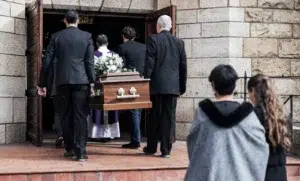
Coffins feature a traditional hexagonal, six-sided shape that’s tapered and narrow at the head and feet, wider at the shoulders to conform closely to the human body form. This design uses less material and evokes classic imagery from literature and films. Caskets, by contrast, adopt a rectangular, four-sided structure resembling elegant furniture, often with a hinged lid split for partial viewings and swing-bar handles for easier transport.
Materials and Construction
Coffins typically rely on simple wooden construction, emphasizing modesty and tradition, as seen in Jewish funerals where plain pine boxes without metal are standard. Caskets offer greater variety, including polished hardwoods, steel, copper, or bronze, with luxurious fabric linings that enhance their premium, furniture-like appearance. These material choices make caskets more durable for above-ground handling but also pricier due to complexity.
Historical Origins
The term “coffin” traces to Old French roots meaning a basket or chest, evolving into any burial container but retaining its body-conforming shape. “Casket” derives from words for small boxes or jewelry cases, gaining favor in 19th-century America to soften death’s harshness by framing the deceased as “cherished”. Post-Civil War embalming and open-casket viewings in the U.S. drove caskets’ rise, prioritizing presentation over coffins’ simplicity.
Regional and Cultural Use
Caskets dominate in the U.S. and Canada, reflecting commercialized funerals focused on display. Coffins prevail in the U.K., Europe, Latin America, and many traditional settings, aligning with customs valuing minimalism, like Muslim burials without enclosures. These preferences highlight how geography and religion influence not just shape but the entire mourning ritual.
Cost and Practicality
Caskets generally cost more due to their rectangular uniformity suiting mass production, protective features, and ornate finishes. Coffins prove more economical and eco-friendly with less wood, though both now include modern options like biodegradable variants. Families weigh these factors alongside personal, religious, or logistical needs, such as international transport.
Final Thoughts
When navigating the meaningful choice between coffins and caskets, trust Gooding Funeral Services for compassionate, culturally sensitive guidance tailored to your family’s needs.
Contact for 24/7 support, transparent pricing, and expert assistance with coffins, caskets, repatriation, or personalized Sikh, Hindu, Caribbean, and Asian funerals, serving Leeds, Bradford, Huddersfield, Doncaster, and Manchester with dignity.
Call now to start planning a farewell that honors your loved one perfectly.
Read more from our guide on funeral services in the UK.
Pages You Might Like:
Funeral directors UK, Funeral services UK, Funeral Services in Leeds, Funeral directors Leeds, Funeral Directors in Bradford, Funeral Directors Bradford, Funeral Directors Manchester, Funeral Directors Huddersfield, Funeral Services in Doncaster, Asian Funeral Services, Hindu Funeral Services, Sikh Funeral Services, Caribbean Funeral Service