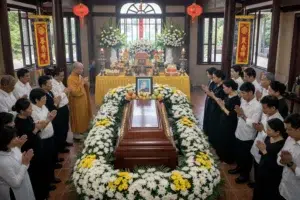
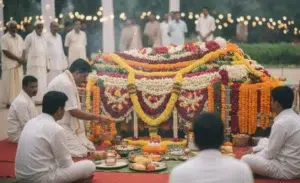
A death certificate is one of the key documents families need when arranging a funeral in the UK. It provides legal proof of death and allows practical and administrative tasks to move forward. Understanding how it works helps families make informed decisions during a difficult time.
What a Death Certificate Is
A death certificate is an official document issued by the local register office once a death has been registered. It includes:
- The person’s full name
- The date and place of death
- The medical cause of death
- Details linked to the registration
This certificate confirms that the death has taken place and is used by funeral directors, government bodies and financial institutions.
How and When Families Receive the Certificate
Registering the Death
The death must be registered before the certificate can be issued. In England and Wales, this is usually done within five days unless the coroner is involved.
The person registering the death is usually a close relative. If no relative is available, someone present at the death or responsible for funeral arrangements may be able to register it.
Collecting the Certificate
Once registration is complete, families can purchase certified copies from the register office. Several copies are often helpful because most organisations require originals.
The Role of the Certificate in Funeral Arrangements
The certificate is essential for carrying out a funeral. Funeral directors rely on it to progress with documentation and permissions.
For a Burial
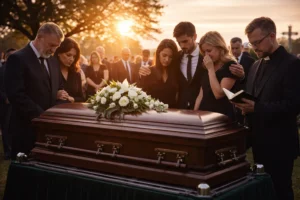
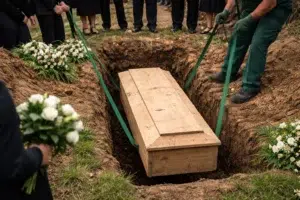
The certificate is used to secure the necessary authorisations for burial. It ensures that all legal conditions are met before the funeral takes place.
For a Cremation
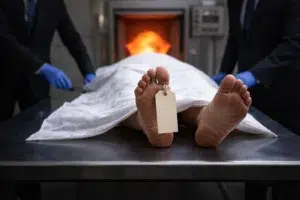
Cremations involve additional forms and approvals. The death certificate forms part of this paperwork and must be provided before the cremation can be scheduled.
For Repatriation
If the family wishes to move their loved one to or from another country or region, the certificate is required by the authorities for verification. It is a key document for international and regional transfers.
Why the Certificate Matters for Estate and Legal Matters
Once the funeral has taken place, families must complete several administrative tasks. A death certificate is needed for many of these steps, including:
- Closing bank accounts and financial services
- Claiming insurance and pensions
- Informing government departments
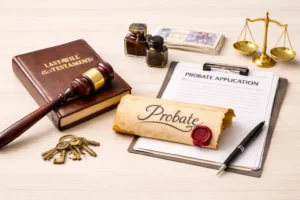
- Starting probate and handling the estate
Having certified copies ready helps reduce delays and keeps the process organised.
When a Coroner Is Involved
If a doctor cannot confirm the cause of death, a coroner will investigate. This may delay registration.
During the investigation, families may receive an interim certificate. This document allows certain tasks to begin until the final certificate is issued.
FAQs About Death Certificates in the UK
How many copies of the death certificate should I get?
Most families request three to five certified copies because many organisations require originals.
Can I register a death if the coroner is investigating?
The registration cannot be completed until the coroner finishes the investigation, but an interim certificate may be provided for immediate needs.
Do funeral directors need the certificate to start making arrangements?
They can discuss plans and guide families, but some legal steps require the certificate or the interim document.
How much does a death certificate cost?
Charges vary slightly by region, but each certified copy comes with a standard fee.
Can the certificate be issued digitally?
No. Certificates are issued as physical documents. Most institutions do not accept scanned versions.
Supporting Families Through Each Step
The death certificate is a central part of the practical process that follows a bereavement. It allows funeral arrangements to proceed and helps families settle financial and legal matters with clarity. Knowing what to expect reduces uncertainty and makes each stage more manageable.
If you need guidance with any part of the process, Gooding Funeral Services is here to support you with care, clarity and professional assistance. The team can explain the required documents, help you plan the funeral you have in mind and provide steady support throughout. You are welcome to contact them for advice or to speak with a member of the team.
Read more from our guide on funeral services in the UK.
Pages You Might Like:
Funeral directors UK, Funeral services UK, Funeral Services in Leeds, Funeral directors Leeds, Funeral Directors in Bradford, Funeral Directors Bradford, Funeral Directors Manchester, Funeral Directors Huddersfield, Funeral Services in Doncaster, Asian Funeral Services, Hindu Funeral Services, Sikh Funeral Services, Caribbean Funeral Service