Understanding what happens behind the scenes before a cremation can bring clarity and comfort during a difficult time. In the UK, cremation is a carefully regulated and respectful process, carried out by trained professionals who follow strict legal and ethical standards. Every step is designed to ensure dignity, safety, and accurate identification.
This guide explains in detail how a body is prepared for cremation in the UK, from the moment of death to the final return of ashes.
What Happens Immediately After Death
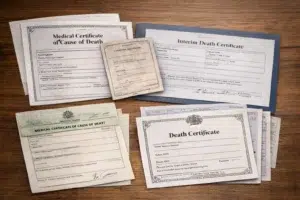
When a person passes away in the UK, the first steps involve certification and transfer of the body. A doctor must confirm the death and issue the necessary medical certificate.
Once legal formalities are complete, the body is transported to a funeral home or mortuary. This is done respectfully, often by trained funeral staff using specialised vehicles.
During this stage, the body may be placed in a temperature-controlled environment to slow natural changes while arrangements are made.
Identification and Documentation
Before any preparation begins, strict identification procedures are followed. This is one of the most important aspects of cremation in the UK.
A unique identification tag is attached to the body and remains with it throughout the entire process. This ensures that the correct individual is cremated and that the ashes are returned to the right family.
In addition, all required paperwork must be completed, including cremation forms and authorisations. Without this, cremation cannot legally proceed.
Removal of Personal Items and Medical Devices
Before cremation, certain items must be removed for both safety and personal reasons.
- Jewellery and personal belongings are either returned to the family or cremated with permission
- Medical devices such as pacemakers are always removed
Pacemakers and similar implants are taken out because they can explode under high temperatures, posing a safety risk.
Families are often consulted about whether they want specific items kept or included.
Cleaning and Preparing the Body
The body is then gently washed and prepared. This step is carried out with great care and respect.
- The body is cleaned
- Facial features may be set to create a peaceful appearance
- Hair may be tidied
If the family wishes, the deceased can be dressed in their own clothes. Alternatively, a simple gown is provided.
Unlike burial, embalming is not usually required for cremation in the UK unless there is going to be a viewing or delay.
Placement in a Coffin or Cremation Container
UK law requires that a body must be placed in a suitable coffin or cremation container before cremation.
These containers are:
- Fully combustible
- Made from materials like wood, cardboard, or other eco-friendly options
- Designed to burn safely and efficiently
The body is placed inside with care, and the identification tag remains with it.
Transportation to the Crematorium
Once prepared, the coffin is transported to the crematorium. Depending on the family’s wishes, this may be:
- A traditional funeral with a service
- A direct cremation without attendees
In the UK, it is common for the funeral service to take place at the crematorium chapel before the cremation itself.
The Cremation Process
After preparation, the coffin is placed into a cremation chamber, also called a cremator.
- Temperatures typically range between 800°C and 1100°C
- The process takes around 1 to 3 hours
- The body is never exposed directly to flames, only intense heat
The heat gradually reduces the body and coffin to bone fragments and ash.
Strict procedures ensure that only one person is cremated at a time.
Processing and Returning the Ashes
Once cremation is complete:
- The remains are allowed to cool
- Any metal fragments are removed
- The remains are processed into a fine, ash-like texture
The ashes are then placed in a labelled container or urn and returned to the family, or scattered according to their wishes.
Key Regulations in the UK
Cremation in the UK is governed by strict regulations to ensure transparency and dignity. These include:
- Legal authorisation before cremation
- Verification of identity at every stage
- Use of approved cremation equipment
- Detailed record-keeping
These safeguards are in place to give families confidence that their loved one is treated with the highest level of care.
Emotional Considerations for Families
While the process is technical, it is always carried out with compassion. Funeral professionals understand that families are grieving and ensure that:
- Cultural and religious preferences are respected
- Families are given choices at every stage
- Communication remains clear and supportive
Many families find comfort in knowing that their loved one is handled with dignity throughout.
Conclusion
Preparing a body for cremation in the UK is a structured yet deeply respectful process that combines legal safeguards, technical precision, and compassionate care. From identification and preparation to the final return of ashes, every step is handled with professionalism and sensitivity.
If you are arranging a cremation or planning ahead, working with a trusted funeral provider can make a significant difference during such an emotional time. Gooding Funeral Services offers compassionate, professional support to guide families through every stage of the cremation process, ensuring that your loved one receives a dignified and respectful farewell.
Read more from our guide on funeral services in the UK.
Pages You Might Like:
Funeral directors UK, Funeral services UK, Funeral Services in Leeds, Funeral directors Leeds, Funeral Directors in Bradford, Funeral Directors Bradford, Funeral Directors Manchester, Funeral Directors Huddersfield, Funeral Services in Doncaster, Asian Funeral Services, Hindu Funeral Services, Sikh Funeral Services, Caribbean Funeral Service