Burial remains one of the most traditional and meaningful ways to lay a loved one to rest. For many families, it represents peace, permanence, and connection to generations past. Although cremation has become more common in recent decades, burial continues to hold deep cultural and spiritual significance across communities in the UK and beyond.
This guide explains what burial involves, the different types available, legal considerations, and how families can make informed choices that reflect their beliefs and wishes.
What Does Burial Involve?
A burial is the interment of a person’s body in the ground, typically in a cemetery, churchyard, or dedicated burial site. The process is guided by both practical and ceremonial steps, often supported by an experienced funeral director.
1. Care and Preparation of the Deceased
After a death is registered and the necessary paperwork completed, the deceased is brought into the care of the funeral home. The funeral director ensures the person is treated with dignity and respect. Preparation may include:
- Washing, dressing, and presentation for viewing or visitation.
- Embalming (if requested or required, particularly for open-casket funerals).
- Placing the deceased into the chosen coffin or casket.
2. Choosing the Burial Site
Families may already have access to a family grave or can purchase a new plot. Cemeteries usually offer:
- Consecrated grounds, for burials according to a specific faith.
- Non-consecrated sections, for non-religious or mixed-faith burials.
- Natural or woodland sites, where burials take place in an eco-friendly, minimally maintained environment.
Each cemetery or churchyard will have its own rules on memorials, coffin materials, and maintenance.
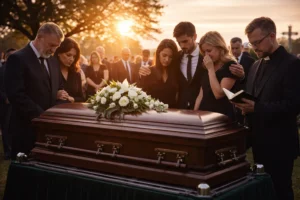
3. The Funeral Service
The funeral service can take place in a church, chapel, cemetery, or other meaningful location. It usually includes:
- Readings, hymns, prayers, or secular reflections.
- Eulogies and personal tributes from family or friends.
- Music chosen to represent the individual’s life or beliefs.
This service can be religious or non-religious, traditional or modern in tone.
4. The Committal
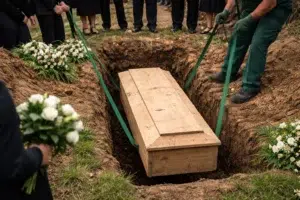
The committal is the moment when the coffin is lowered into the grave. It can be accompanied by prayers, words of farewell, or moments of silence. In some traditions, family members place flowers or soil on the coffin before it is covered.
5. After the Burial
Once the burial has taken place, families can return to the grave to reflect or place tributes. Memorials such as headstones, plaques, or natural markers can usually be installed after a few months once the ground has settled.
Types of Burial
Burials can vary widely according to faith, environment, and personal preference. Common options include:
Traditional Burial
This is the most familiar form, involving interment in a cemetery or churchyard with a headstone or memorial. It is often chosen by families with long-standing burial traditions.
Natural or Woodland Burial
An environmentally friendly choice that avoids embalming and uses biodegradable coffins or shrouds. Natural burials take place in green, unspoiled settings, allowing the area to return to nature over time.
Private or Home Burial
Some families choose to bury a loved one on private land. This is legal in England and Wales but requires careful compliance with local authority and environmental health guidelines. The landowner becomes responsible for the site, which may have implications for property ownership in the future.
Religious Burials
Each faith follows distinct customs regarding burial:
- Christian: Usually involves a church or graveside service, followed by interment in consecrated ground.
- Muslim: Burial takes place as soon as possible, with the body positioned to face Mecca.
- Jewish: Burial within 24 hours if possible, using simple wooden coffins and natural materials.
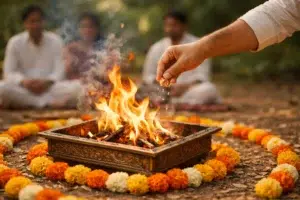
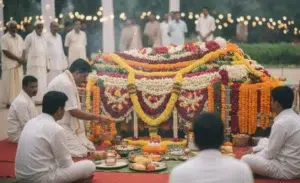
- Hindu and Sikh: While cremation is more common, some families may choose burial according to specific beliefs or circumstances.
Legal and Administrative Requirements
Before a burial can take place, several legal steps must be completed:
- Registration of Death
The death must be registered at the local register office. You will receive the Certificate for Burial or Cremation (known as the green form).
- Permission for the Burial Site
Whether in a public cemetery or private land, burial permission must be secured from the relevant authority.
- Burial Rights and Ownership
Families purchasing a new plot will receive Exclusive Right of Burial for a set number of years, often between 50 and 100.
- Memorial Regulations
Each cemetery has rules about the type, size, and materials of headstones or markers allowed.
A professional funeral director ensures that all documents and permissions are in place before the service.
Why Families Choose Burial
Although cremation offers convenience and lower costs, many families still prefer burial for emotional, cultural, or personal reasons. Common motivations include:
- A physical place to visit for remembrance and reflection.
- The continuity of family tradition across generations.
- The spiritual belief in bodily rest or resurrection.
- A desire for a natural return to the earth.
- The symbolism of permanence, offering loved ones a lasting memorial.
Burial can also feel more personal, providing a tangible connection to history and heritage.
Cost Considerations
The cost of burial varies depending on:
- The cemetery or churchyard fees.
- Purchase of a new plot or reopening of an existing one.
- Type of coffin or casket.
- Funeral service arrangements, transport, and memorial.
While burial can be more expensive than cremation, many families find comfort in the tradition and enduring nature of a burial site.
The Role of a Funeral Director
An experienced funeral director supports families through every aspect of the burial process. Their role includes:
- Guiding you through legal requirements.
- Liaising with cemeteries, clergy, or celebrants.
- Arranging transport, floral tributes, and service details.
- Providing ongoing support and aftercare following the funeral.
At Gooding Funeral Services, we understand that no two burials are the same. Our team takes time to listen, advise, and help you create a farewell that truly reflects your loved one’s life, beliefs, and wishes.
Choosing a Burial with Gooding Funeral Services
Whether you wish for a traditional church burial, a natural woodland interment, or a quiet family plot, our dedicated team will guide you through every decision with care and compassion.
From arranging the service to selecting memorials, we ensure every detail is handled respectfully and professionally. Families across Leeds and West Yorkshire trust us to provide thoughtful, personal support at one of life’s most difficult times.
Read more from our guide on funeral services in the UK.
Pages You Might Like:
Funeral directors UK, Funeral services UK, Funeral Services in Leeds, Funeral directors Leeds, Funeral Directors in Bradford, Funeral Directors Bradford, Funeral Directors Manchester, Funeral Directors Huddersfield, Funeral Services in Doncaster, Asian Funeral Services, Hindu Funeral Services, Sikh Funeral Services, Caribbean Funeral Service