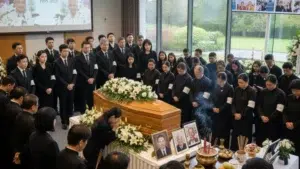
Attending a funeral is one of the most meaningful acts of respect you can offer a grieving family. But when it comes to Asian funerals, many people feel uncertain about what to wear, and understandably so.
Asians are culturally diverse, and funeral customs vary significantly between Chinese, South Asian, Japanese, Korean, Filipino, and other traditions. Getting the dress code right is a quiet but powerful way to show your support and honour the deceased.
This guide will walk you through the key traditions so you can attend with confidence and sensitivity.
Why Dress Code Matters at Asian Funerals
Funeral attire is not merely a formality. In many Asian cultures, clothing at a funeral carries deep symbolic meaning. Colours, fabrics, and even the direction of a garment can signal respect, mourning, or, if chosen wrongly, disrespect. Taking the time to understand what’s expected goes a long way in showing the bereaved family that you care.
Chinese Funerals
In Chinese funeral traditions, whether Buddhist, Taoist, or secular, white is the traditional colour of mourning. It represents purity and the transition to the afterlife. Black is also widely accepted, particularly in more Westernised Chinese communities in the UK.
What to wear:
– White, black, grey, or dark navy clothing
– Conservative, modest cuts; avoid short skirts, low necklines, or sleeveless tops
– Subdued accessories; remove anything that sparkles or draws attention
What to avoid:
– Red is the most important rule. Red is a celebratory colour in Chinese culture, associated with luck and joy, and is deeply inappropriate at a funeral
– Bright colours including orange, yellow, and pink
– Flashy jewellery or heavy make-up
– Prints or patterns that seem festive
Close family members may wear coarse white garments or sackcloth as a symbol of grief. If you are a distant relative or family friend, plain dark or white clothing is perfectly appropriate.
Hindu Funerals
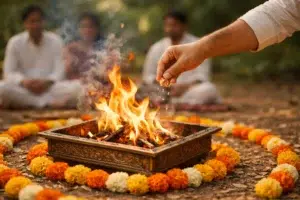
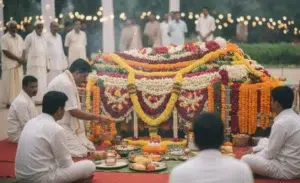
In Hindu tradition, white is the colour of mourning, and it is typically worn by the immediate family. Guests are generally expected to dress modestly and conservatively. Families arranging hindu funeral services often follow these customs to ensure the ceremony reflects traditional values and cultural respect.
What to wear:
– White or off-white clothing where possible
– Alternatively, muted tones such as beige, light grey, or soft blue
– Salwar kameez (for women) or a plain kurta (for men) is always appropriate
– Modest Western clothing in neutral tones is acceptable
What to avoid:
– Bright colours, especially red (associated with weddings and auspicious occasions)
– Black is traditionally seen as inauspicious in some Hindu communities, though this is becoming more accepted in diasporic communities in the UK
– Revealing clothing of any kind
Sikh Funerals
Sikh funerals are characterised by calm acceptance of death as part of the divine cycle. The atmosphere is spiritual rather than mournful in the traditional Western sense. Families arranging sikh funeral services often focus on prayer, remembrance, and maintaining a peaceful, dignified environment throughout the ceremony.
What to wear:
– White or light-coloured clothing is most appropriate
– Men should cover their heads; a white or plain handkerchief is acceptable if you don’t own a turban or patka
– Women should cover their heads
– Modest, dignified clothing throughout
What to avoid:
– Bare heads inside the Gurdwara; this is essential
– Shoes inside the prayer hall (you will be asked to remove them)
– Revealing or overly casual clothing
Muslim Funerals
Islamic funeral rites are typically swift, with burial ideally occurring within 24 hours of death. The atmosphere is solemn and prayerful.
What to wear:
– Modest, loose-fitting clothing that covers the arms, legs, and chest
– Neutral, dark colours are most appropriate: black, navy, dark grey, or dark green
– Men should avoid shorts and sleeveless tops
What to avoid:
– Tight or figure-hugging clothing
– Bare arms, legs, or uncovered hair (for women)
– Strong perfume or fragrance, which is considered disrespectful at Muslim funerals
Japanese Funerals
Japanese funerals are among the most formal in the world. The dress code is strict, and deviation from it can cause genuine offence.
What to wear:
– Black suit, black tie and white shirt for men; black dress or black suit for women
– Understated black accessories
– Small, simple pearl earrings are acceptable for women (pearls symbolise tears)
– Flat or low-heeled black shoes
What to avoid:
– Any colour other than black for the main outfit
– Gold or shiny jewellery
– Patent leather shoes or bags, as the shine is considered inappropriate in mourning contexts
– Multiple strings of pearls or any flamboyant accessories
Guests often bring “koden” (a monetary condolence gift) in a special black-and-silver envelope. It’s worth researching this custom if you are attending a Japanese funeral.
Korean Funerals
Korean funerals, influenced by Confucian traditions, emphasise respect and formality. The immediate family often wears traditional mourning hemp garments (삼베), but guests are simply expected to dress conservatively.
What to wear:
– Black or dark-coloured formal clothing
– Simple, subdued accessories
What to avoid:
– Bright colours
– Excessive jewellery or accessories
Filipino Funerals
Filipino funeral customs are primarily influenced by Catholicism, and the dress code is broadly similar to Western Catholic funerals.
What to wear:
– Black or dark clothing
– Modest, formal attire: suits for men, dresses or trouser suits for women
– Family members may wear black armbands as a sign of mourning
What to avoid:
– Bright or colourful clothing
– Very casual dress
– Red is widely avoided as it is seen as disrespectful
General Tips for Attending Any Asian Funeral
Regardless of the specific tradition, a few principles apply universally:
1. When in doubt, ask. If you know someone close to the family, it’s always appropriate to ask whether there is a specific dress code. Families usually appreciate the thoughtfulness.
2. Dress modestly. Across virtually all Asian funeral traditions, modesty is paramount. Opt for clothing that covers your arms, legs, and chest.
3. Avoid strong perfume. Many funeral traditions, particularly Islamic ones, discourage the use of strong fragrance.
4. Remove shoes when asked. At Sikh Gurdwaras, Hindu homes, and many other settings, removing shoes before entering is mandatory. Wear clean, neat socks.
5. Keep accessories simple. Leave statement jewellery at home. Small, understated pieces are always more appropriate.
6. Err on the side of formality. If you are unsure how formal the service will be, dress more formally rather than less. It is far better to be slightly overdressed than underdressed at a funeral.
A Note on Attending as a Non-Asian Guest
If you are attending an Asian funeral as a guest from outside that cultural community, your effort to dress appropriately will be noticed and deeply appreciated.
You don’t need to wear traditional dress; modest, dark Western clothing is almost universally acceptable. What matters most is showing up with care and respect for the family’s customs.
Final Thoughts
Gooding Asian Funeral Services is an independent, family-owned funeral director based in Leeds, offering compassionate and affordable care for families of all cultural and religious backgrounds.
Recommended by the Good Funeral Guide and the Natural Death Centre, we are committed to supporting every family with the sensitivity and dedication they deserve.
We provide 24/7 support, so help is always available whenever you need it most.
Read more from our guide on funeral services in the UK.
Pages You Might Like:
Funeral directors UK, Funeral services UK, Funeral Services in Leeds, Funeral directors Leeds, Funeral Directors in Bradford, Funeral Directors Bradford, Funeral Directors Manchester, Funeral Directors Huddersfield, Funeral Services in Doncaster, Asian Funeral Services, Hindu Funeral Services, Sikh Funeral Services, Caribbean Funeral Service