Death rituals have always played a vital role in helping people process loss, honor loved ones, and find meaning in grief. Among these traditions, the wake funeral remains one of the most emotionally significant and culturally rich practices. Although the term is widely used, many people are unclear about what a wake actually involves, how it differs from a funeral, and why it continues to be important in modern times.
This comprehensive guide explores the meaning, history, purpose, structure, and evolution of a wake funeral, offering a clear understanding of its role in both traditional and contemporary settings.
What Is a Wake Funeral?
A wake funeral, often simply called a “wake,” is a gathering of family, friends, and community members held either before or after a funeral service. The purpose of this gathering is to honor the deceased, offer condolences to the family, and create a space where people can come together to remember and reflect.
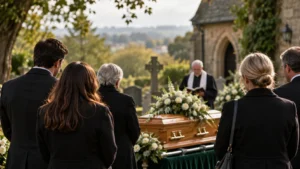
Traditionally, a wake involved keeping vigil over the body of the deceased, often throughout the night, before burial. Over time, the practice has evolved. In modern contexts, a wake may take the form of a viewing or visitation before the funeral, or it may be a more relaxed gathering after the funeral service where people share memories and support one another.
What distinguishes a wake from other funeral-related events is its emotional tone. While funerals are usually structured and ceremonial, wakes are more personal, flexible, and focused on human connection.
The Historical Origins of the Wake
The origins of the wake can be traced back hundreds of years to ancient cultural and spiritual practices. In early societies, particularly in Celtic and Anglo-Saxon traditions, it was common for people to stay awake through the night to watch over the body of the deceased. This practice was not only symbolic but also practical.
At a time when medical science was not advanced, there was a genuine fear of premature burial. Keeping vigil ensured that the person had truly passed away. Additionally, many believed that evil spirits could interfere with the body, so the presence of loved ones acted as a form of protection.
As Christianity spread across Europe, the wake began to incorporate religious elements such as prayers, hymns, and scripture readings. Over time, it became a blend of spiritual observance and social gathering.
The Irish wake, in particular, became one of the most well-known forms of this tradition. It emphasized storytelling, music, food, and even moments of humor, reflecting a belief that death should be met not only with sorrow but also with a celebration of life.
What Happens at a Wake?
A wake can take many forms depending on cultural background, religious beliefs, and family preferences. However, most wakes share certain common elements that define the experience.
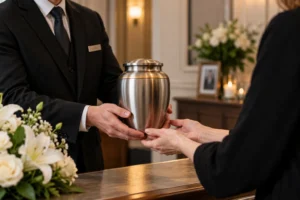
In many cases, the body of the deceased is present, either in an open or closed casket. This allows attendees to pay their respects and say a final goodbye. The presence of the body can provide a sense of closure and help individuals accept the reality of the loss.
The atmosphere at a wake is generally more relaxed than at a funeral. People are free to come and go, engage in conversations, and interact with the grieving family in a natural and supportive way. This informal setting encourages meaningful connections and allows mourners to express their feelings more openly.
One of the most important aspects of a wake is the sharing of memories. Friends and relatives often tell stories about the deceased, recalling moments that highlight their personality, achievements, and impact on others. These conversations can be emotional, but they are also comforting, as they shift the focus from loss to remembrance.
Food and drink are commonly part of the gathering, symbolizing hospitality and community support. In some cultures, meals are shared as a way of bringing people together and reinforcing social bonds during a difficult time.
Religious or spiritual elements may also be included, depending on the family’s beliefs. These can range from formal prayers led by a clergy member to quiet reflections among attendees.
Wake vs Funeral: Understanding the Difference
Although wakes and funerals are closely connected, they serve different purposes and have distinct characteristics.
A funeral is typically a formal ceremony with a structured format. It often includes religious rituals, eulogies, and final rites such as burial or cremation. The focus is on honoring the deceased in a ceremonial and organized manner.
A wake, on the other hand, is more informal and flexible. It centers on emotional support, personal interaction, and shared remembrance. There is no strict schedule, and attendees are encouraged to engage with one another in a more natural way.
In essence, while the funeral provides a sense of ritual and closure, the wake provides a space for emotional expression and community connection.
The Purpose and Importance of a Wake
The significance of a wake goes beyond tradition. It plays a crucial role in helping individuals and communities cope with loss.
Grief can be isolating, but a wake brings people together, reminding those who are mourning that they are not alone. The presence of friends, family, and community members creates a support system that can be deeply comforting.
The act of gathering also helps individuals begin to process their emotions. Whether through conversation, silence, or shared rituals, people are given the opportunity to confront their grief in a supportive environment.
Another important aspect of a wake is the sense of closure it provides. Seeing the body, hearing stories, and participating in remembrance can help individuals accept the reality of the loss, which is an essential step in the healing process.
At the same time, a wake celebrates the life of the deceased. By focusing on memories, achievements, and personal stories, it ensures that the individual is remembered for who they were, rather than only mourned for their passing.
How Wakes Have Evolved in Modern Times
While the core purpose of a wake remains the same, its format has changed significantly over time.
In the past, wakes were often held in family homes and lasted throughout the night. Today, they are more common in funeral homes, community centers, or religious institutions. This shift reflects changes in lifestyle, space, and convenience.
Modern wakes are also more flexible in structure. Some are short and formal, while others are extended gatherings that last several days. Families now have the freedom to design the event in a way that best reflects their preferences and the personality of the deceased.
There has also been a growing trend toward “celebration of life” gatherings. These events focus on positivity, storytelling, and even music or multimedia presentations. While they still acknowledge grief, they place a stronger emphasis on honoring the life lived.
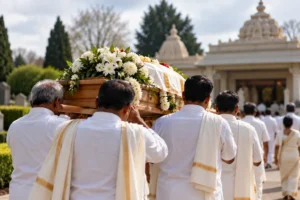
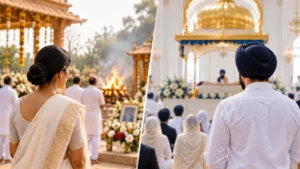
Cultural diversity has further influenced how wakes are conducted. Different communities bring their own traditions, blending solemn rituals with moments of warmth, connection, and even joy.
Etiquette at a Wake
Attending a wake can feel unfamiliar, especially for those who have not experienced one before. However, the guiding principle is simple: be respectful, sincere, and supportive.
Clothing is usually formal or semi-formal, often in subdued colors, unless the family has requested otherwise. The goal is to show respect without drawing attention.
When offering condolences, it is best to keep your words simple and genuine. A heartfelt expression of sympathy is often more meaningful than a long or elaborate message.
It is also important to be mindful of the emotional atmosphere. While conversation is encouraged, sensitivity to the family’s feelings is essential. Sharing positive memories can be comforting, but it should always be done with care.
The Role of Funeral Directors in a Wake
Funeral directors play an essential role in organizing and guiding a wake, especially during what is often an emotionally overwhelming time for families. Their primary responsibility is to handle the logistical and practical aspects of the event, allowing loved ones to focus on grieving and remembrance. Many funeral directors in UK are experienced in managing both traditional and modern wake arrangements, ensuring that every detail is handled with care and professionalism.
They assist in preparing the body for viewing, arranging the venue, coordinating timings, and ensuring that cultural or religious customs are respected. Whether the wake is held in a family home, a funeral home, or another location, funeral directors help create an environment that is dignified, comfortable, and appropriate for the occasion.
In addition to logistics, they also provide emotional support and guidance. Many families are unfamiliar with the process, and funeral directors help them make informed decisions about everything from the format of the wake to the inclusion of personal touches such as music, photographs, or memory displays. Experienced funeral directors in UK often tailor these elements to reflect both cultural traditions and the unique life of the person being remembered.
Their experience ensures that the wake runs smoothly, with attention to detail that honors the deceased while supporting the needs of those attending. In many ways, they act as both coordinators and compassionate advisors during one of life’s most difficult moments.
Conclusion
A wake funeral is a deeply meaningful tradition that brings people together in times of loss. It offers a space for grief, remembrance, and connection, helping individuals begin the process of healing while honoring the life of the person who has passed.
As traditions continue to evolve, the essence of the wake remains unchanged. It is a reminder that even in the face of loss, there is value in community, memory, and shared human experience.
If you are planning a wake or need compassionate guidance during a difficult time, Gooding Funeral Services can help you create a respectful and personalized farewell. Their experienced team understands the importance of every detail and is committed to supporting you with care, dignity, and professionalism when it matters most.
FAQs About Wake Funerals
What is the main purpose of a wake?
The primary purpose of a wake is to create a supportive environment where people can gather to mourn, remember, and honor the deceased. It allows for emotional expression, shared memories, and community support, all of which are essential for coping with loss.
Is a wake always held before the funeral?
A wake is not always held before the funeral. While this was the traditional practice, modern wakes can take place either before or after the funeral service, depending on cultural customs and family preferences.
Do all wakes include a viewing of the body?
Not all wakes include a viewing. Although traditional wakes often involve the presence of the body, many modern gatherings focus solely on remembrance and do not include a viewing, especially in cases involving cremation.
How long does a wake usually last?
The duration of a wake can vary widely. Some last only a few hours, while others may extend over a day or more. Historically, wakes were overnight events, but today they are often shorter and more structured.
What should you say to someone at a wake?
When speaking to someone at a wake, it is best to keep your words simple, sincere, and compassionate. Expressing condolences and offering support is more important than finding the perfect words.
Is it acceptable to share happy or funny memories?
Yes, sharing positive or even humorous memories is often encouraged. Wakes are not only about mourning but also about celebrating the life of the deceased, and these moments can bring comfort to those who are grieving.