When a loved one passes away, flowers have long served as one of the most instinctive expressions of grief, love, and respect in the United Kingdom. A carefully arranged wreath at a graveside, a spray of white lilies on a coffin, or a hand-tied bouquet presented at a crematorium all carry a language that words sometimes cannot. Yet funeral floral traditions in the UK are far from fixed. They are shaped by religion, culture, personal taste, regional custom, and the specific wishes of the deceased and their family. This guide explores what those traditions look like, where they come from, how they vary across communities, and what thoughtful alternatives families may consider when flowers are not the right fit.
The Role of Flowers in British Funeral Tradition
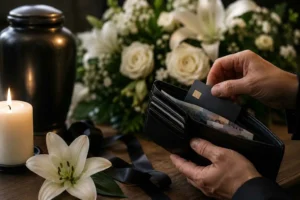
Floral tributes have been a cornerstone of British funeral practice for centuries. Historically, flowers were used not merely for decoration but for practical purposes: strong-scented blooms such as rosemary and rue helped mask odours before modern embalming became standard. Over time, as funerary practice evolved, flowers became primarily symbolic, representing life, beauty, the passage of time, and the belief in renewal.
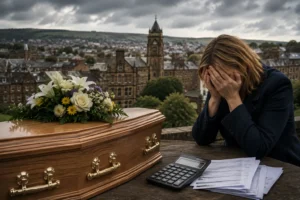
Today, the tradition continues strongly across England, Scotland, Wales, and Northern Ireland. Floral tributes are typically ordered through a florist and delivered directly to the funeral home or chapel. Families often commission a coffin spray, which lies on top of the coffin throughout the service, as well as a variety of standing arrangements placed around the room. These may be ordered by close family, friends, colleagues, or community groups.
Common Flower Choices and Their Symbolism
Flower choice at UK funerals is rarely random. Certain blooms carry widely understood meanings, and many families choose them deliberately:
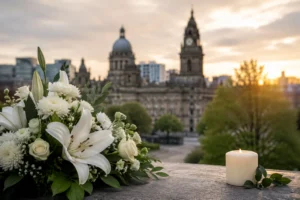
- White lilies: Perhaps the most iconic funeral flower in Britain, white lilies are associated with restored innocence and the peace of the soul. They feature heavily in Christian funeral services.
- Chrysanthemums: A traditional funeral flower across much of Europe, chrysanthemums represent grief and bereavement. White varieties are particularly common in UK services.
- Roses: Red roses convey love and respect; white roses suggest reverence and purity. Pink roses are often chosen to honour a woman, or to suggest warmth and admiration.
- Carnations: Affordable and long-lasting, carnations are widely used in sympathy wreaths. Red carnations express admiration, while white carnations carry associations with purity.
- Freesias and sweet peas: These lighter, more contemporary choices have grown popular for services emphasising celebration of life rather than solemn mourning.
- Sunflowers and wildflowers: Increasingly chosen for funerals where the deceased had an outdoorsy, informal personality, sunflowers and wildflower mixes carry warmth and a sense of natural beauty.
Types of Floral Tributes in UK Funerals
Floral tributes in the UK take several distinct forms, each serving a slightly different purpose:
- Coffin sprays: Long, elegant arrangements placed directly on the coffin. These are typically ordered by the immediate family and are the centrepiece of the floral display.
- Wreaths: Circular arrangements representing eternal life and continuous love. The wreath is one of the oldest floral tribute forms and remains a staple of British funerals.
- Posies and sheaves: Smaller, more informal tributes suited to intimate services or as contributions from friends and extended family.
- Personalised letter tributes: Arrangements shaped into letters or words, such as “MUM”, “DAD”, or “GRANDAD”. These have become a popular way to personalise the ceremony.
- Standing arrangements: Large floral displays in vases or stands, placed around the room or chapel to create a dignified and beautiful atmosphere.
Funeral Flower Traditions Across Different Cultures and Faiths
The UK is home to a richly diverse population, and funeral flower practices vary considerably across faiths and cultural communities. Understanding these differences is essential for any family planning a service that is both respectful and authentic.
Christian Funerals
Christian funerals in the UK traditionally welcome flowers both at the church and at the graveside or crematorium. White flowers are predominant, reflecting themes of purity and resurrection. Some more conservative denominations or families may prefer understated arrangements, while others embrace elaborate floral displays.
Caribbean and African Diaspora Funerals
Within Caribbean and African diaspora communities in the UK, funerals are often vibrant and celebratory occasions. Floral tributes tend to be colourful and generous, reflecting a cultural emphasis on celebration of life and community togetherness. Bright blooms such as tropical flowers, birds of paradise, and vivid roses are not uncommon. The service itself may incorporate gospel music, joyful tributes, and a strong communal atmosphere.
Sikh Funerals
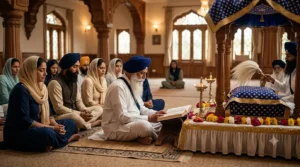
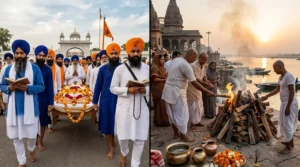
Sikh funerals, known as Antam Sanskar, are guided by specific religious principles. Traditionally, Sikh teachings emphasise acceptance of death as part of God’s will, and there is less emphasis on elaborate floral decoration compared to some other traditions. However, many Sikh families in the UK do incorporate modest floral tributes as a mark of respect, particularly when influenced by broader British customs. Garlands or simple white flowers are more common than elaborate arrangements.
Hindu Funerals
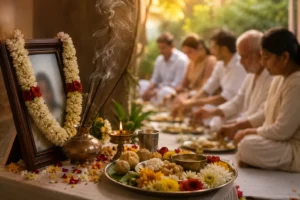
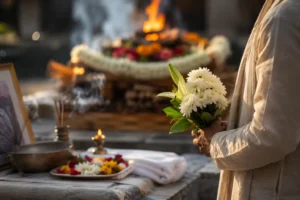
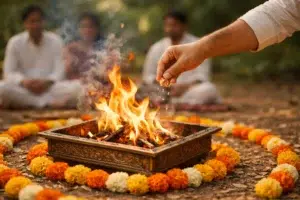
Hindu funeral rites place considerable importance on flowers. Marigolds hold particular sacred significance in Hindu tradition and are commonly used to adorn the body and the ceremony space. White flowers are also widely used as they symbolise purity and the journey of the soul. The use of fresh flowers is preferred, and fragrant blooms such as jasmine may be incorporated to honour the deceased.
Jewish and Muslim Funerals
Both Jewish and Muslim funeral traditions generally discourage or do not include floral tributes, though practices can vary by community. In Jewish tradition, flowers at the graveside are uncommon; the custom of placing a stone on a grave is more traditional. In Muslim funerals, simplicity and humility are paramount, and the emphasis is placed on prayer rather than decoration. Families wishing to express condolences are often encouraged to donate to charity instead.
The Rise of Personalised Funeral Decorations
Beyond flowers, modern UK funerals increasingly incorporate personalised decorations that reflect the life and personality of the deceased. This shift has been notable over the past two decades, driven by a broader cultural movement away from formal, one-size-fits-all services and towards bespoke, meaningful celebrations of individual lives.
Popular personalised elements include:
- Photo displays and memory boards: Photographs arranged in frames or on display boards throughout the chapel or reception area allow mourners to celebrate the person’s life visually.
- Themed decorations: For someone who loved football, gardening, music, or a particular hobby, decorations that reflect those passions can create a deeply personal atmosphere.
- Candle displays: Candles are commonly used to create warmth and ambience. For some faiths, particularly within Catholic and certain Protestant traditions, candles carry additional spiritual meaning.
- Natural greenery and foliage: Some families opt for lush greenery rather than traditional floral arrangements, creating an organic, natural aesthetic that suits woodland or eco-friendly services particularly well.
Alternatives to Traditional Funeral Flowers
For some families, traditional flowers either do not fit their cultural traditions, their environmental values, or their personal preferences. The following alternatives have grown considerably in popularity across the UK:
Charitable Donations
One of the most common alternatives in the UK is directing family and friends to make a donation to a charity meaningful to the deceased, rather than sending flowers. This is a widely accepted and respected approach, and is often noted on the funeral notice with a phrase such as “no flowers by request, donations to [charity] welcomed”. This honours the deceased’s values while providing tangible support to a cause they cared about.
Potted Plants and Living Tributes
Rather than cut flowers that will wilt within days, some families request potted plants, trees, or bulbs that can be planted in a garden or memorial space. This living tribute continues to grow long after the service, offering an enduring symbol of the person’s memory.
Biodegradable and Eco-Friendly Options
Environmental awareness has led many UK families to choose sustainably sourced, seasonal, or even homegrown flowers. Biodegradable wreath bases, organic floral foam alternatives, and locally grown British flowers are all gaining traction. For those planning a green or natural burial, these choices align especially well with the values of the service.
Seed Packets and Memorial Wildflower Mixes
A growing trend in the UK is distributing personalised seed packets to mourners at the service. These can be sown at home, creating a living connection to the person who has died. Wildflower seed mixes in particular carry a beautiful symbolism, encouraging mourners to nurture something that blooms and grows in the months following their loss.
Butterfly and Dove Releases
Though not a floral alternative in the traditional sense, releases of butterflies or white doves have become a meaningful feature of some UK funeral services. These are typically organised through specialist providers and can serve as a profound, symbolic farewell during a graveside service or at a crematorium.
Practical Tips for Ordering Funeral Flowers in the UK
Navigating flower orders during bereavement can feel overwhelming. Here are some straightforward steps to make the process easier:
- Contact the funeral director first: They will advise on the correct delivery address, timing, and any restrictions regarding the number or size of tributes at the venue.
- Order at least three to five days in advance: This gives the florist adequate time to source the right flowers and create the arrangement carefully.
- Include a message card: A heartfelt note attached to the tribute provides comfort to the immediate family and ensures the tribute is attributed correctly.
- Confirm delivery logistics: Ensure the florist knows the exact location, time of the service, and any access requirements for the venue.
- Discuss what happens after the service: Many families choose to distribute the flowers to care homes, hospitals, or community spaces following the service, rather than allowing them to go to waste.
Flowers as an Act of Love
Whether a family chooses a traditional white lily coffin spray or a vibrant Caribbean-inspired display, potted plants for the garden, or a donation to a cherished charity, the underlying impulse is the same: to honour a life with care, intention, and love. UK funeral flower traditions continue to evolve, shaped by the beautiful diversity of the communities that call Britain home. There is no single right approach, only the approach that feels most true to the person you are saying goodbye to.
If you are currently navigating funeral arrangements and would like compassionate, experienced guidance on every aspect of the service, including floral tributes, cultural customs, and personalisation, Gooding Funeral Services is here to help.
Plan a Meaningful Farewell with Gooding Funeral Services
Gooding Funeral Services is an independent, family-owned funeral director based in Leeds, serving families across West Yorkshire and beyond, including Bradford, Huddersfield, Doncaster, and Manchester. Founded on the legacy of the late Hugh Gooding, the firm is run by a dedicated family team known for compassion, cultural sensitivity, and transparent, honest care, making them one of the trusted independent funeral directors in the UK for families seeking personalised support.
Recommended by both the Good Funeral Guide and the Natural Death Centre, Gooding is trusted by families from Caribbean, Sikh, Hindu, and wider Asian communities, as well as those seeking traditional Christian services or non-religious celebrations of life. Like many respected funeral directors in the UK, the team offers a full range of services, including burial, cremation, repatriation, and personalised tributes such as floral arrangements, live gospel choir performances, jazz band processions, and butterfly releases.
With 24/7 availability, no hidden fees, and bespoke pre-paid funeral plans, Gooding ensures that every family receives the full attention and respect they deserve during the most difficult of times.