The timing of a funeral is one of the first and most sensitive decisions families face after losing a loved one. While there is no single universal rule, the question of how soon a funeral should take place depends on a combination of religious beliefs, legal requirements, cultural customs, and practical considerations.
Understanding these factors can help families make informed, respectful decisions during an emotionally difficult time.
What Is the Typical Timeframe for a Funeral?
Across the world, funerals are usually conducted within a few days to a couple of weeks after death.
- Global average: Most funerals take place within 3 to 10 days after death
- United Kingdom: Typically 5 to 10 days, though delays can extend this to 2–3 weeks due to administrative or scheduling factors
- Modern flexibility: With embalming and refrigeration, families today have more time compared to traditional practices
This variation exists because funeral timing is shaped by multiple influences, not just one fixed rule.
Key Factors That Influence Funeral Timing
1. Religious and Cultural Beliefs
Different faiths have clear expectations about how quickly a funeral should occur:
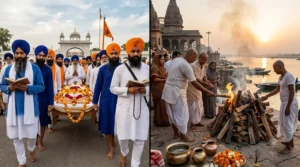
- Hindu funerals
- Usually conducted within 24 hours of death
- Cremation is prioritised quickly to support spiritual beliefs about the soul’s journey
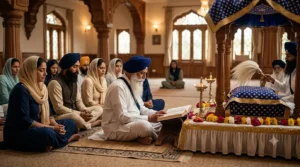
- Sikh funerals
- Ideally held within 3 days
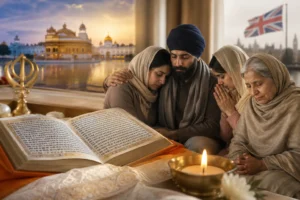
- In the UK, practical factors may extend this to 5–7 days
- Other traditions (general context)
- Some religions emphasise burial within 24 hours
- Others allow more time for ceremonies and gatherings
For families following specific traditions, these timelines are often non-negotiable and deeply meaningful.
2. Legal and Administrative Requirements
Before a funeral can take place, certain legal steps must be completed:
- Registering the death (often required within a few days)
- Obtaining permits for burial or cremation
- Possible involvement of a coroner (in unexpected or unexplained deaths)
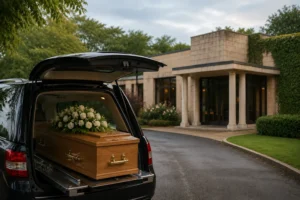
In the UK, funerals cannot proceed until official documentation is completed, which can influence timing .
3. Availability of Funeral Services
Logistics play a major role in scheduling:
- Crematorium or burial slot availability
- Religious venue bookings (temples, gurdwaras, churches)
- Funeral director schedules
In busy regions, this may push the funeral date further out than families initially expect.
4. Family and Travel Considerations
Many families choose to delay funerals slightly to allow loved ones to gather:
- Relatives travelling from abroad
- Time needed to inform friends and community
- Planning personalised ceremonies
Balancing emotional readiness with logistical realities is often a key consideration.
5. Preservation Methods
Modern preservation methods allow more flexibility:
- Refrigeration helps maintain the body for several days
- Embalming can extend this period further
This is why funerals today are not always held immediately, especially in Western countries.
Should a Funeral Be Held Quickly?
There is no single “correct” answer. Instead, families often weigh the benefits of both approaches:
When funerals are held quickly
- Aligns with religious traditions
- Reduces emotional strain of waiting
- Allows immediate closure for some families
When funerals are delayed slightly
- Gives time for planning a meaningful service
- Allows distant relatives to attend
- Ensures all legal and logistical arrangements are completed properly
The right timing ultimately depends on what feels respectful and appropriate for the deceased and their family.
Cultural Sensitivity Matters More Than Speed
For multicultural families, especially Caribbean, Sikh, and Hindu communities, funeral timing is closely tied to spiritual beliefs and rituals. Even small delays or changes can impact the significance of the ceremony.
This is why working with professionals who understand these customs is essential. They can help ensure that timing, rituals, and arrangements are handled with care and respect.
Practical Guidelines to Help You Decide
When planning a funeral, consider the following:
- Check religious requirements first to avoid conflicts
- Complete legal paperwork early to prevent delays
- Coordinate with family members about availability
- Consult experienced funeral directors who understand cultural needs
- Balance urgency with emotional readiness
A well-planned funeral does not need to be rushed, but it should honour both tradition and the wishes of the family.
Conclusion
The timing of a funeral is not fixed, it is shaped by faith, law, logistics, and personal circumstances. While some traditions call for funerals within 24 hours, others allow several days or even weeks. What matters most is that the service is conducted with dignity, respect, and cultural sensitivity.
If you are looking for compassionate guidance during this difficult time, Gooding Funeral Services offer respectful, culturally aware funeral services. As trusted funeral directors in UK, they have experience supporting Caribbean, Sikh, Hindu, and diverse local communities, ensuring every arrangement reflects your values, traditions, and the memory of your loved one.
Reach out to Gooding to plan a farewell that is handled with care, understanding, and professionalism.
Read more from our guide .